GREEN ECONOMIC DEVELOPMENT
Most villages in project sites have a high percentage of poorest population, fragile ecosystem, and lowest economic level. Around 90% of the population in the sites are dominated by traditional fishermen and farmers working in unsustainable farming practices for their survival life. The daily family cash income are much depend on the fluctuation of sessional natural resources.

OUR PROGRAM ON GREEN ECONOMY
- The diversification of income will lessen people’s dependency to natural resources and help them move away from deep poverty towards sustainable livelihoods.
- The incentives of IGA is given when the community groups actively plant and maintain mangrove and agro forestry trees.
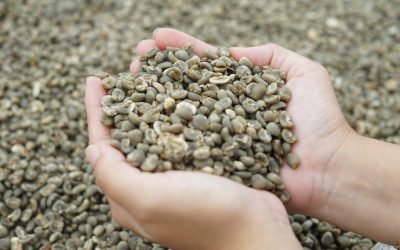
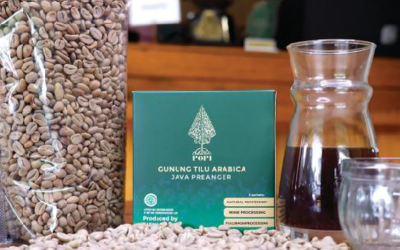
- The IGA activities in blue carbon project include silvo-fishery, mangrove food processing, organic batik mangroves, mangrove eco-tourism, shrimp paste and dried fish, and micro-family business. While the IGAs in agro forestry and forest conservation are organic coffee-, cacao- and fruit products, bamboo craft, natural dye plantation, red-ginger, cardamon, eco-tourism and Non-Timber Products (NTPs).
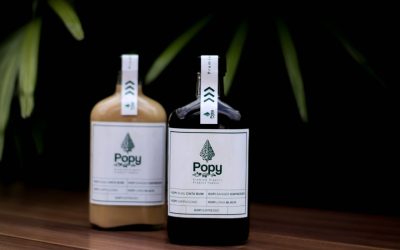
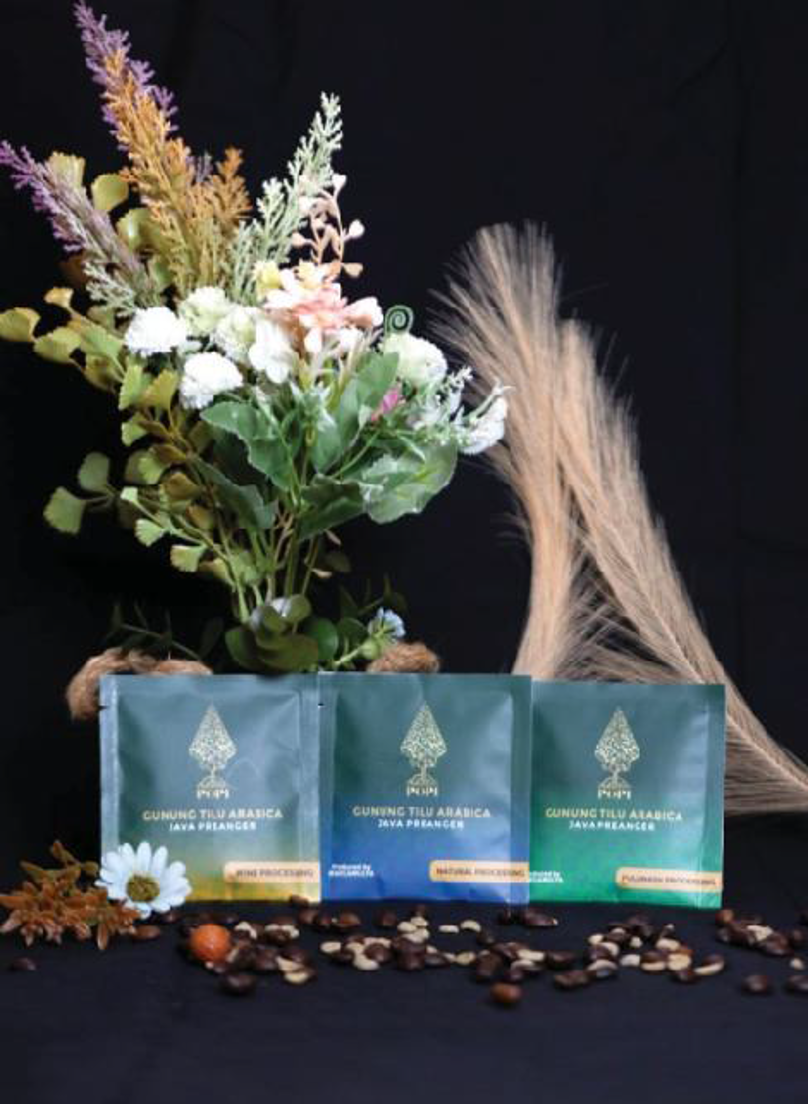
- The project also facilitates community skills on additional processing, packaging, branding, certification, licensing, and marketing capacity through e-commerce. We have prepared marketed brands for community products with the name of POPI (Premium Organic Product of Indonesia).
We successfully established Carbon and Biodiversity Corridor (CCBC) along 821 km in the East Coast of North Sumatera and Aceh province. During he CBD conference in China, we received an award from UNCBD “100 + Global Noteworth Practices” in 2021.