Gearbank Innovation: The Sustainable Livelihood Transition of Illegal Mangrove Wood Loggers into Eco-Friendly Crab Fishermen on the East Coast of Langkat
Gearbank: From Logging to Livelihoods — Supporting Sustainable Fishing Economies in Mangrove Communities
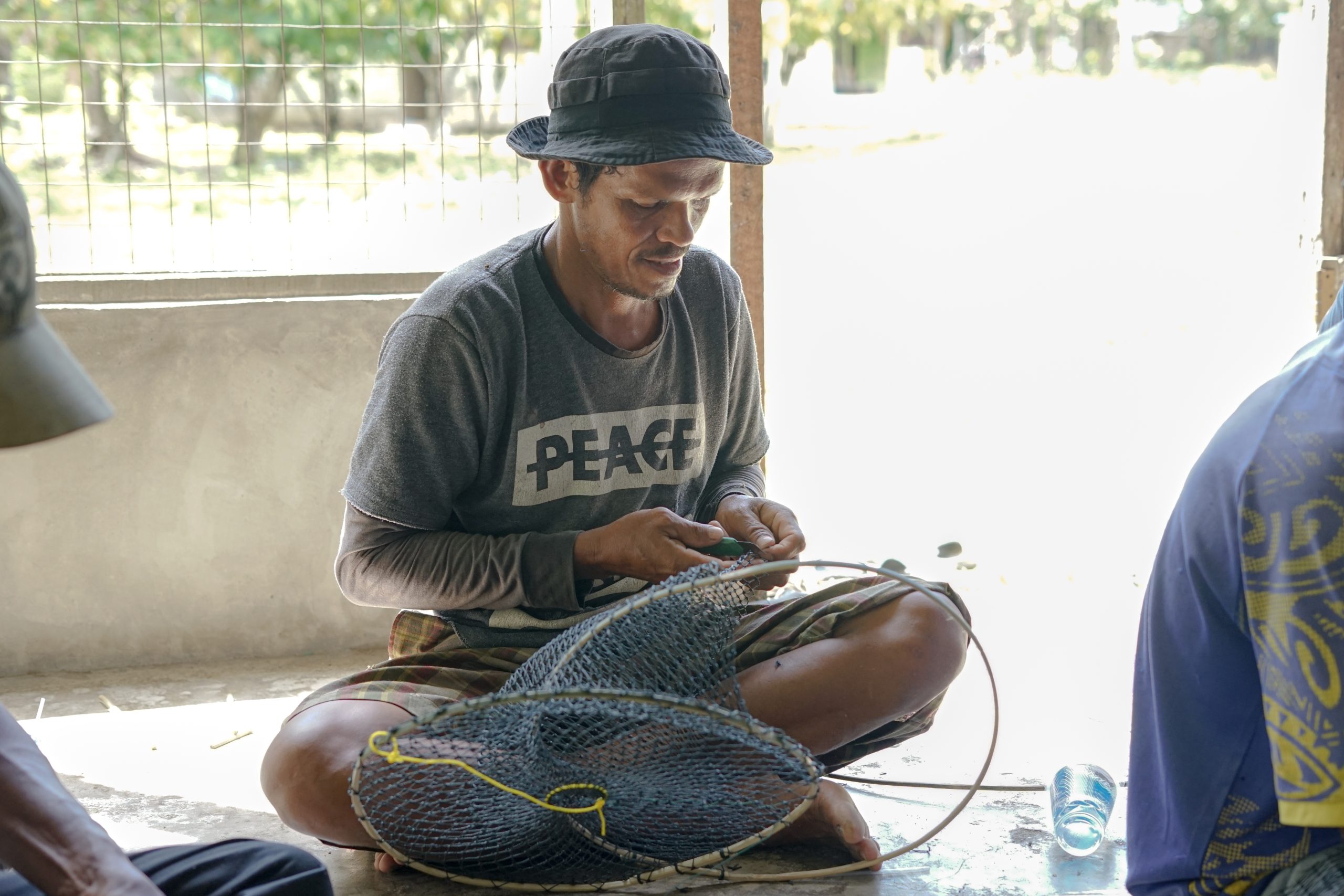
In many remote coastal communities across Indonesia, mangrove logging is driven not by choice, but by economic necessity. For families with limited access to stable income, harvesting mangrove timber for charcoal production often becomes one of the few available ways to meet daily needs. To address these underlying economic drivers, Yayasan Gajah Sumatra (Yagasu) and the Global Mangrove Trust (GMT), through the Gearbank program, work directly with coastal communities in North Sumatra to build practical livelihood alternatives. Co-designed with local residents during workshops in 2025, the initiative operates on a clear principle: when communities have access to profitable, sustainable alternatives in artisanal fishing and mud crab aquaculture, pressure on mangrove forests drops while local economies grow more resilient.
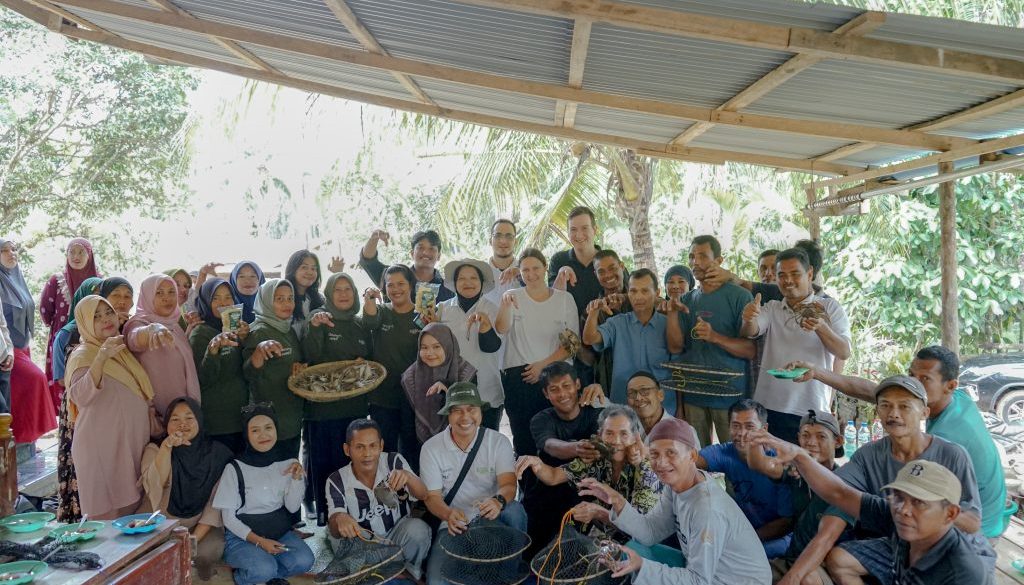
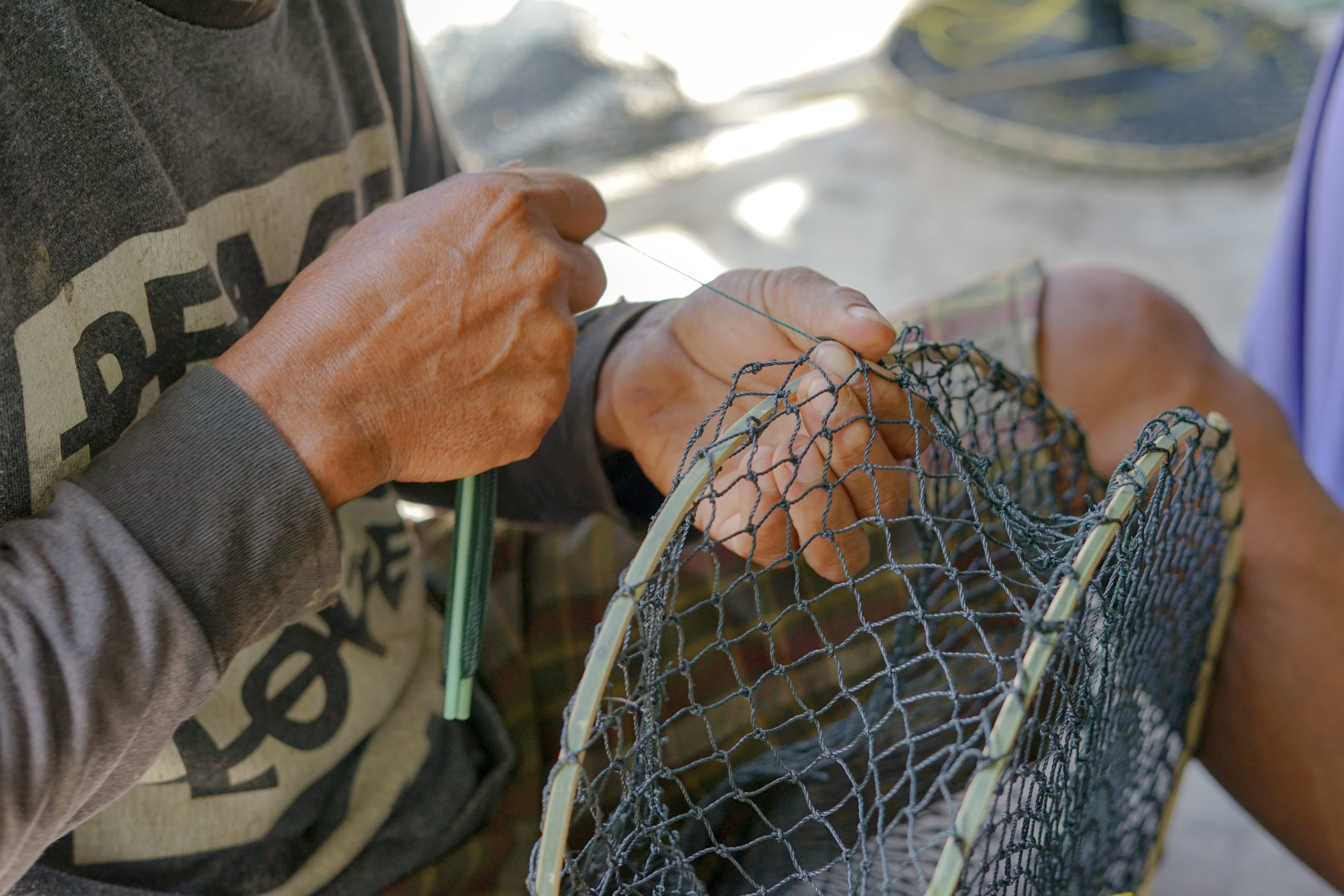
Beginning in 2025, Yagasu and GMT provided participating households with subsidized fishing equipment, aquaculture materials, technical training, business mentoring, and market access supported by Halal processing standards. Over the first 18 months (Q1 2025–Q2 2026), the Gearbank program progressively enrolled 126 former mangrove loggers across four villages—Pangkalan Siata, Pulau Kampai, Halaban, and Salahaji—who signed formal agreements committing to abandon mangrove timber extraction in favor of sustainable fishing. In parallel, 42 women joined community cooperatives, receiving seed grants and capital goods to establish value-added fish processing enterprises that further strengthen household incomes.
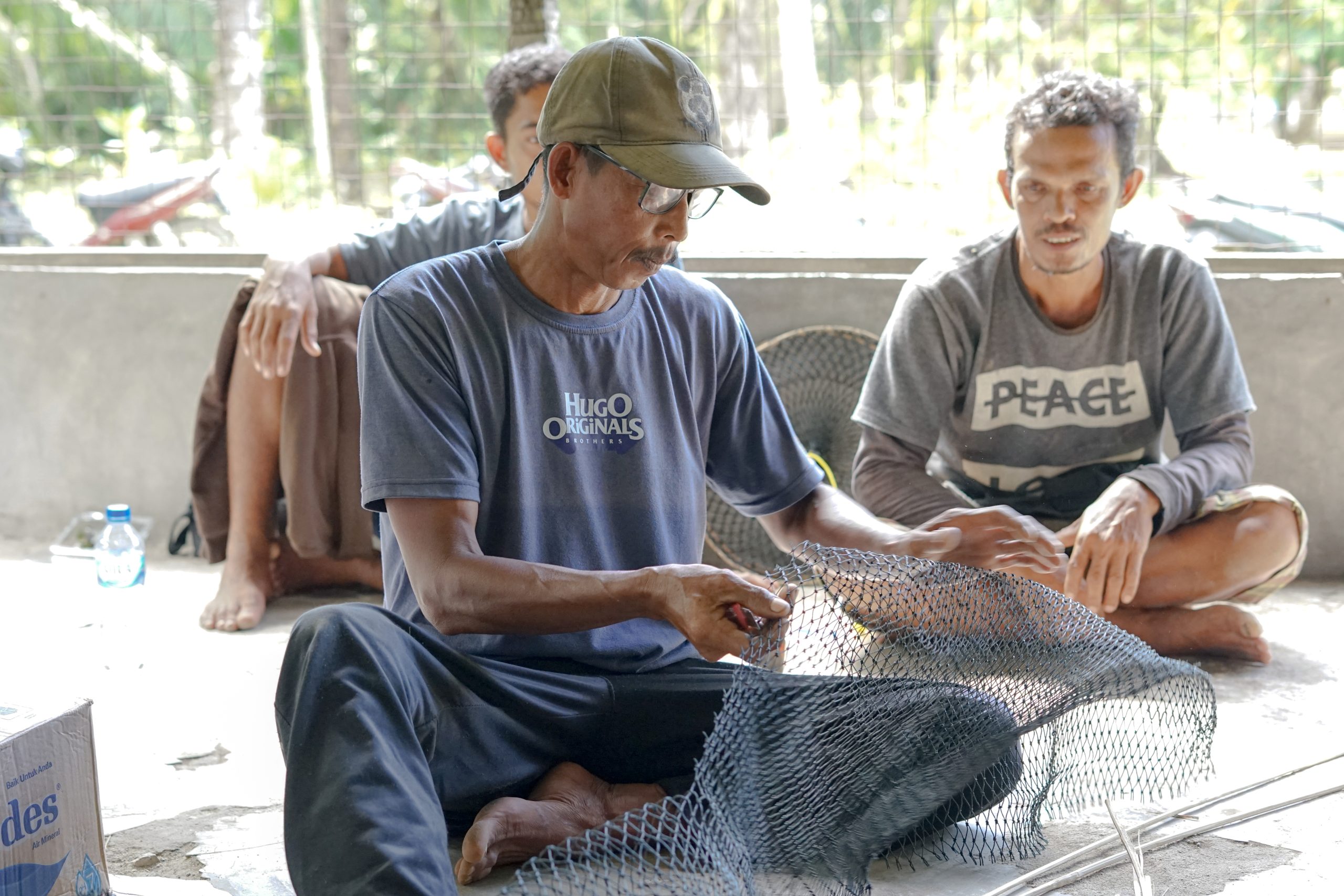
Rigorous community-based monitoring—verified through Yagasu field reviews and KoboToolbox reporting—shows remarkable economic results from this transition. Average monthly participant sales across the initial cohort of 65 fishers rose from IDR 4.28 million in Q4 2025 to IDR 5.39 million by Q1 2026. The strongest growth occurred in Pulau Kampai, where average sales across approximately 30 participants nearly doubled from IDR 2.67 million to IDR 5.25 million over the same period. Beyond capture fisheries, Yagasu and GMT are also developing a pilot community-based mud crab hatchery in North Sumatra to secure local crab seed supplies and build long-term aquaculture independence.
Phase Two Expansion: 4,000 Eco-Friendly Gears Distributed in Langkat
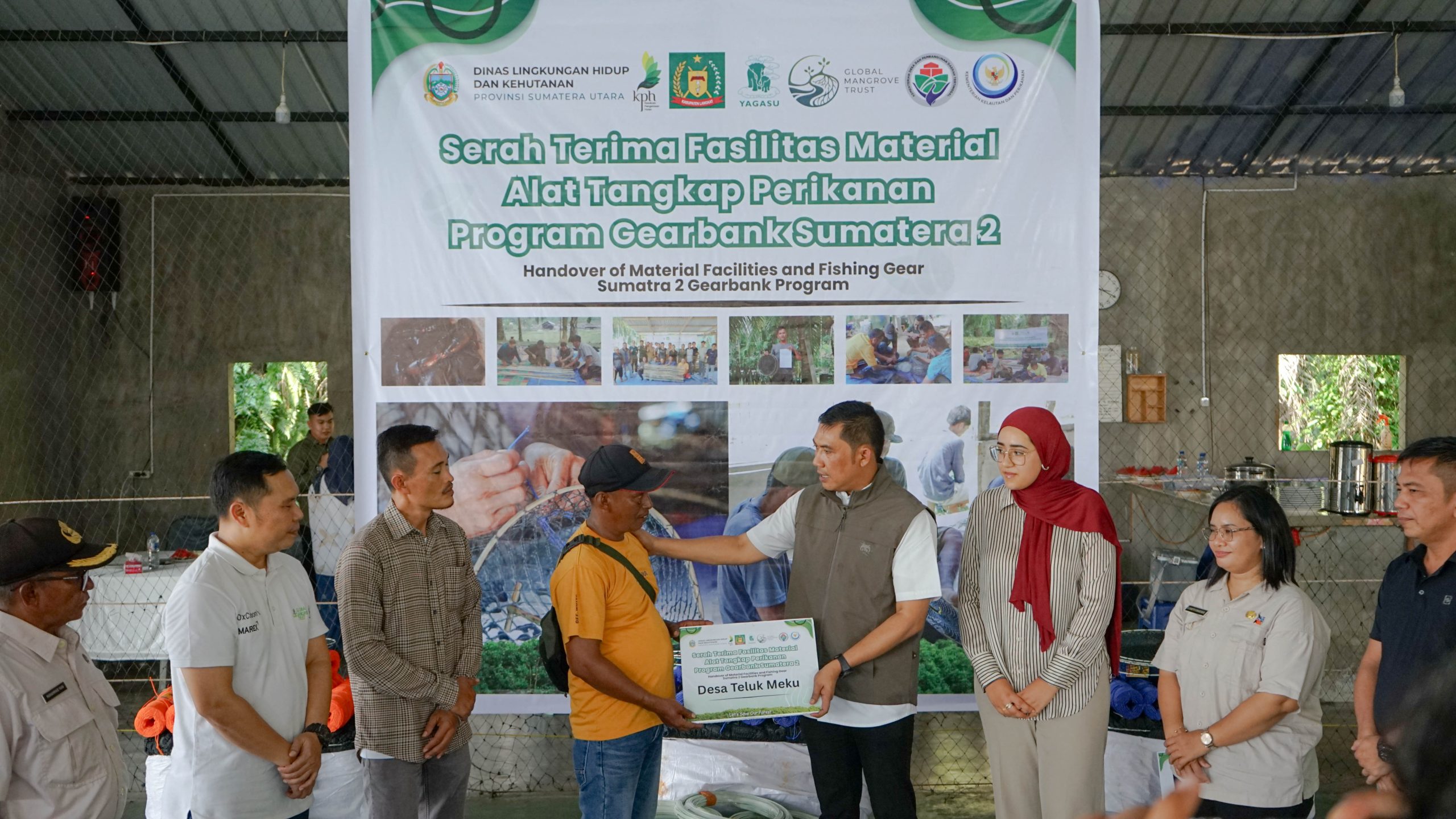
Building on this proven economic success, the partnership continues to scale up its impact on the ground because raising awareness alone is not enough; saving Sumatra’s coastal ecosystems requires concrete action. On September 25, 2026, Yagasu and GMT successfully executed the second phase of their fishing gear distribution, handing over 4,000 units of eco-friendly equipment—consisting of crab traps and fishing nets—through the Gearbank program to 100 former mangrove loggers across five villages in Langkat Regency: Tanjung Pasir, Sei Meran, Pulau Kampai, Perlis, and Teluk Meku.
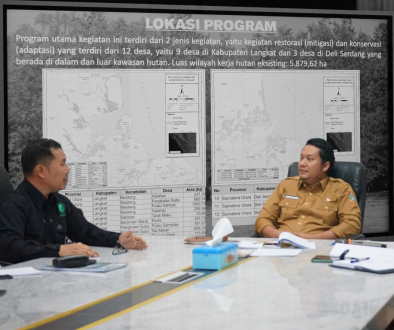
This significant milestone was attended by Yagasu Program Director Anton Syahputra Siregar, S.P., M.Si.; GMT Project Manager Malak Grioui; and the Head of the North Sumatra Environment and Forestry Agency (DLHK), Heri W. Marpaung, S.STP., M.AP., who symbolically presented the equipment to the community. The handover ceremony was also fully supported and attended by the Head of Forest Management Unit (KPH) Region I North Sumatra, Sukendra Purba, M.Si., alongside representatives from the North Sumatra Marine and Fisheries Agency (DKP), the Head of Pangkalan Susu District, and nine Yagasu-assisted village heads.
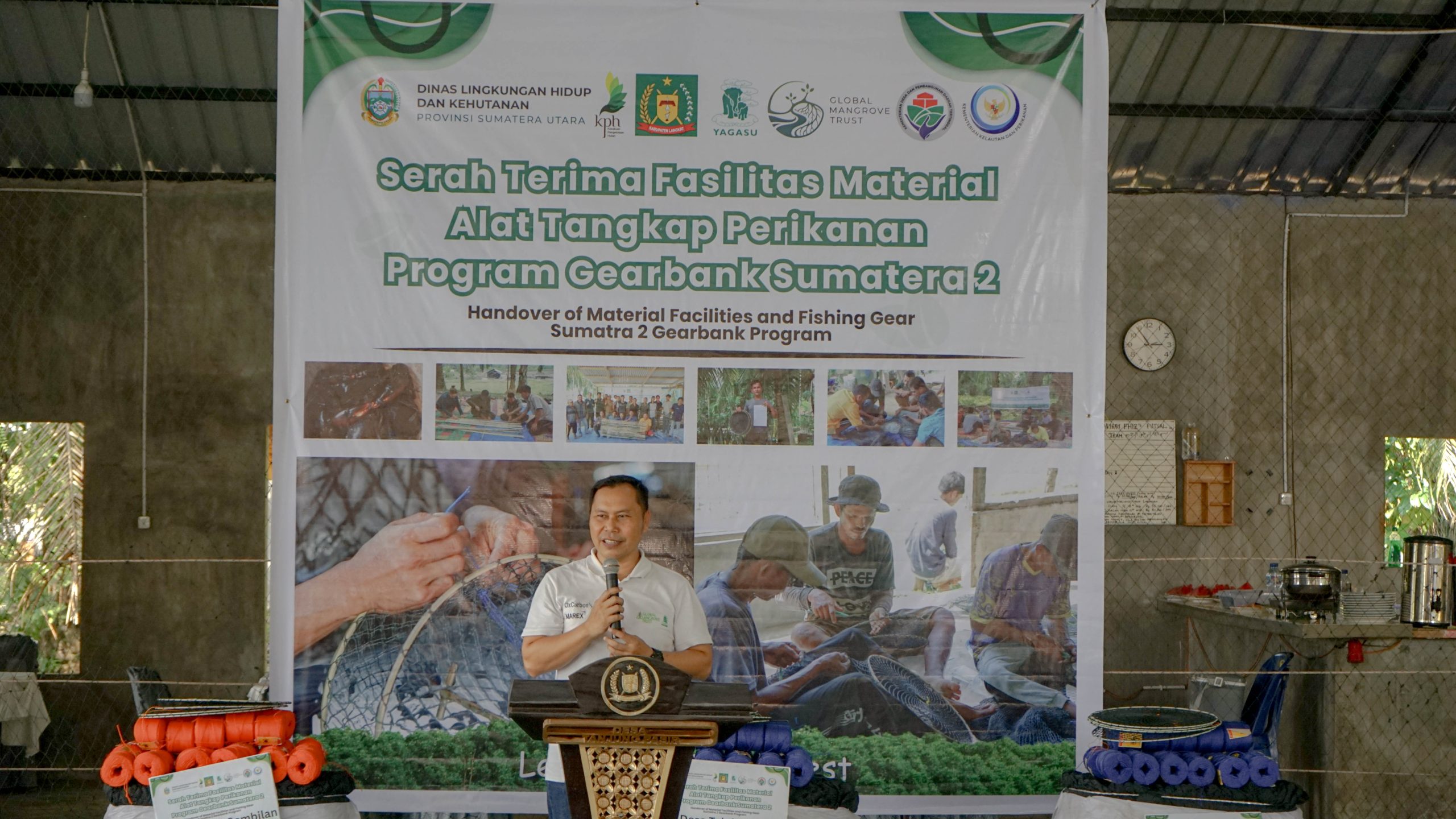
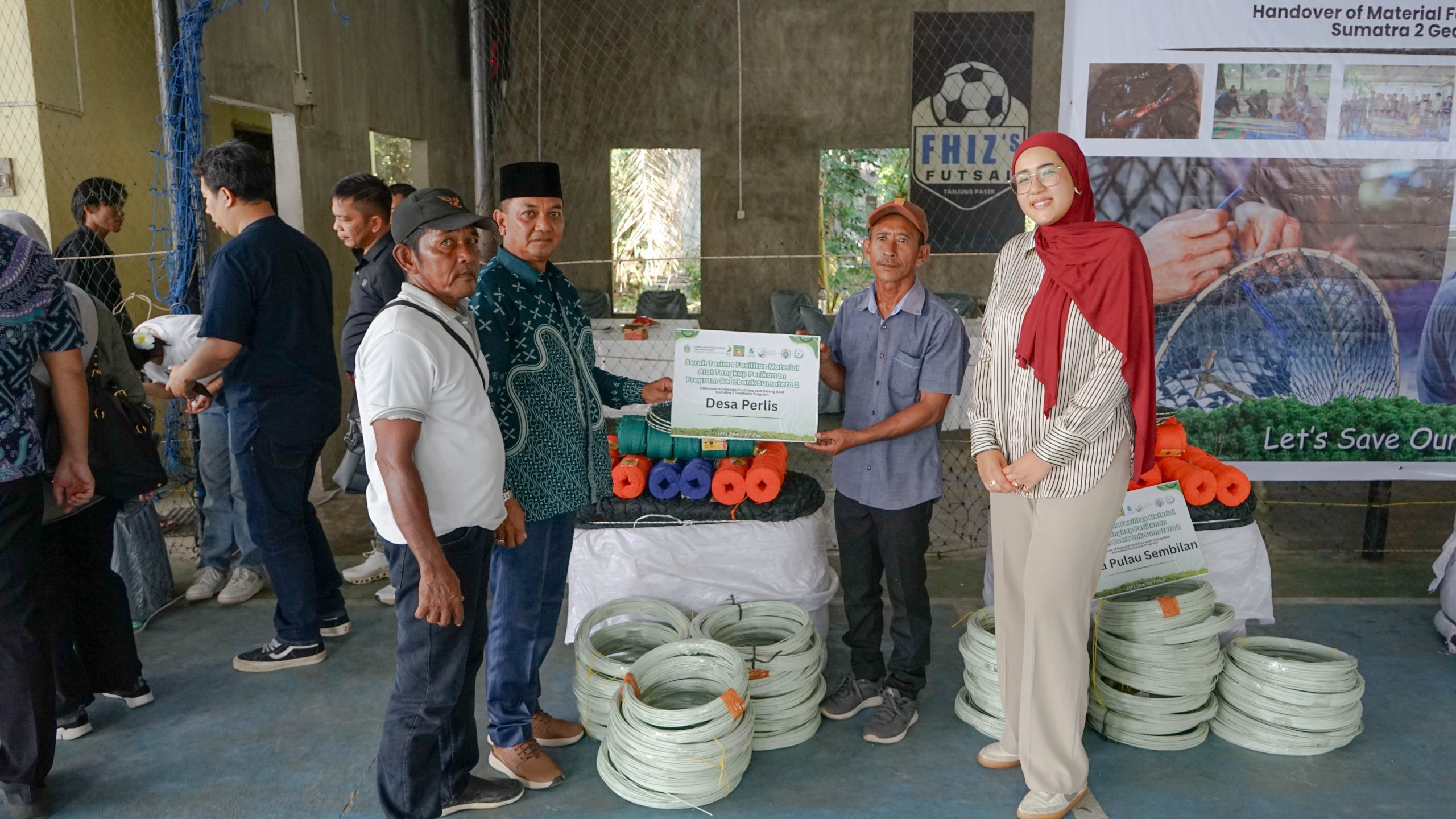
Through this second phase of the Gearbank program, coastal communities across five additional villages—Sei Meran, Tanjung Pasir, Pulau Sembilan, Perlis, and Teluk Meku—now have guaranteed access to sustainable alternative livelihoods. Across Phases 1 and 2 combined, a total of 9,040 units of eco-friendly fishing gear have been distributed to 226 former mangrove loggers across nine villages in Langkat Regency, empowering them to transition into thriving fishers and dedicated guardians of the coastline.
The overarching goal is to significantly strengthen the local economy while halting the deforestation of mangrove forests, which serve as vital carbon sinks and the “lungs of the world.” Ultimately, the experience in North Sumatra demonstrates that protecting mangrove forests is not only about restoring ecosystems—it is also about investing in people through extraordinary collaboration among the North Sumatra Provincial Government (DLHK, DKP, and KPH I Stabat), local village authorities, GMT, and Yagasu.