Next, on the third day, all participants visited Baluran National Park to see the sustainability of the ecosystem in Baluran National Park. According to Ade (Baluran Forestry Police), “There are 4 zones in Baluran National Park, including the primary forest zone, savanna zone, mangrove forest zone, and marine zone. In addition, in Baluran National Park there are protected fauna, namely the Javan Banteng ( Bos javanicus ), Leopard ( Panthera pardus ), Hawksbill Turtle ( Eretmochelys imbricata ), Peacock ( Pavo muticus ), Buffalo ( Bubalus bubalis ), and Timor Deer ( Cervus timorensis ).
On the fourth day of the visit, all participants carried out a coral transplantation movement in Pasir Putih Village, Situbondo Regency. This activity was carried out in the Watu Kenong area which is the target location for saving the underwater ecosystem. The method used for coral reef transplantation is the wireframe method six square model . This movement was also attended by representatives of the Situbondo Fisheries and Marine Service, where he appreciated YAGASU for its dedication and efforts in organizing coral reef transplantation activities that not only help rehabilitate marine ecosystems, but also educate and inspire the younger generation to care about the environment.
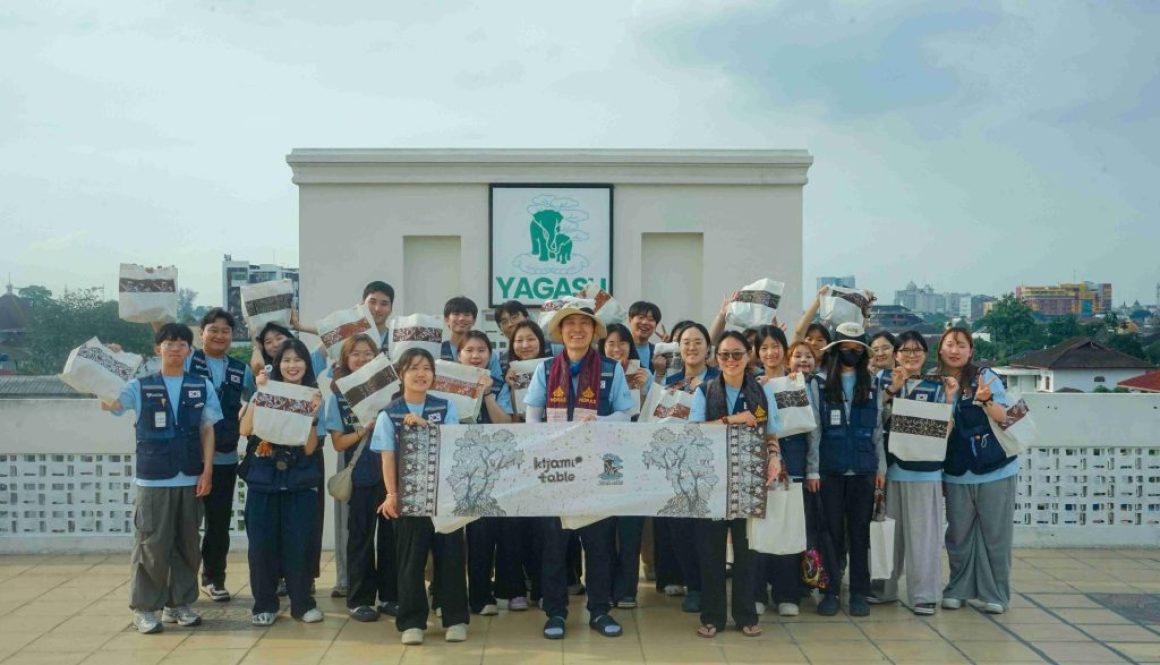
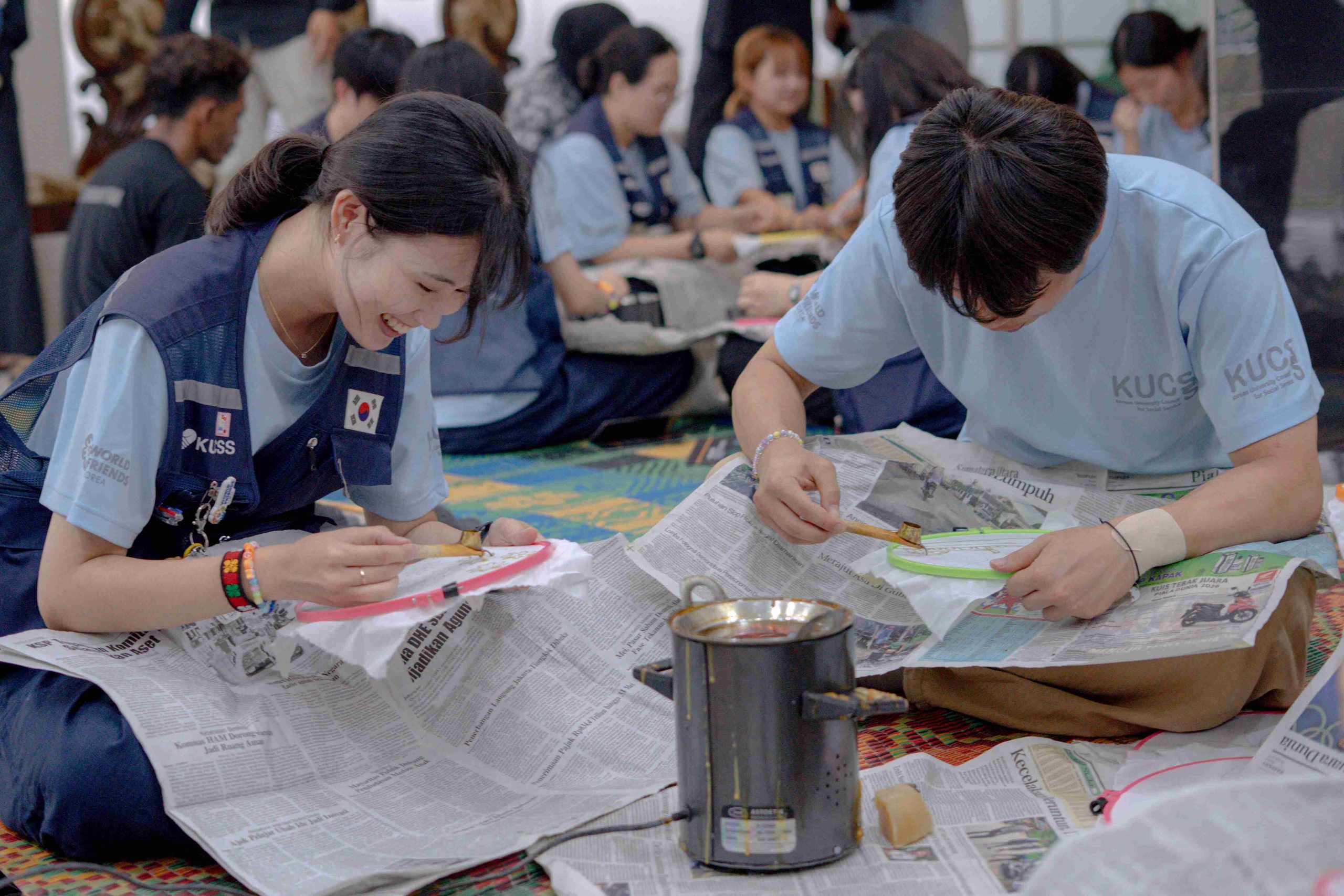
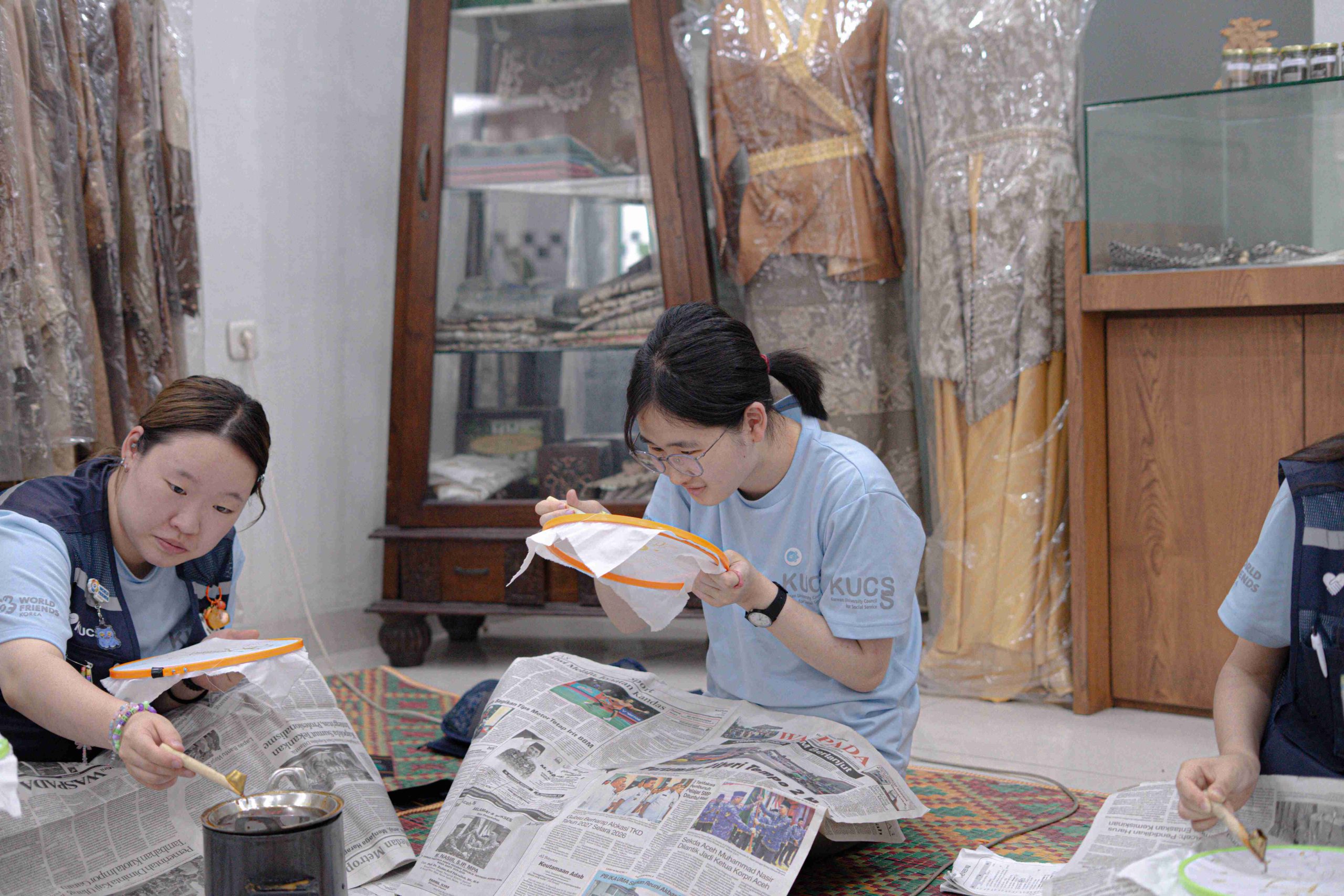
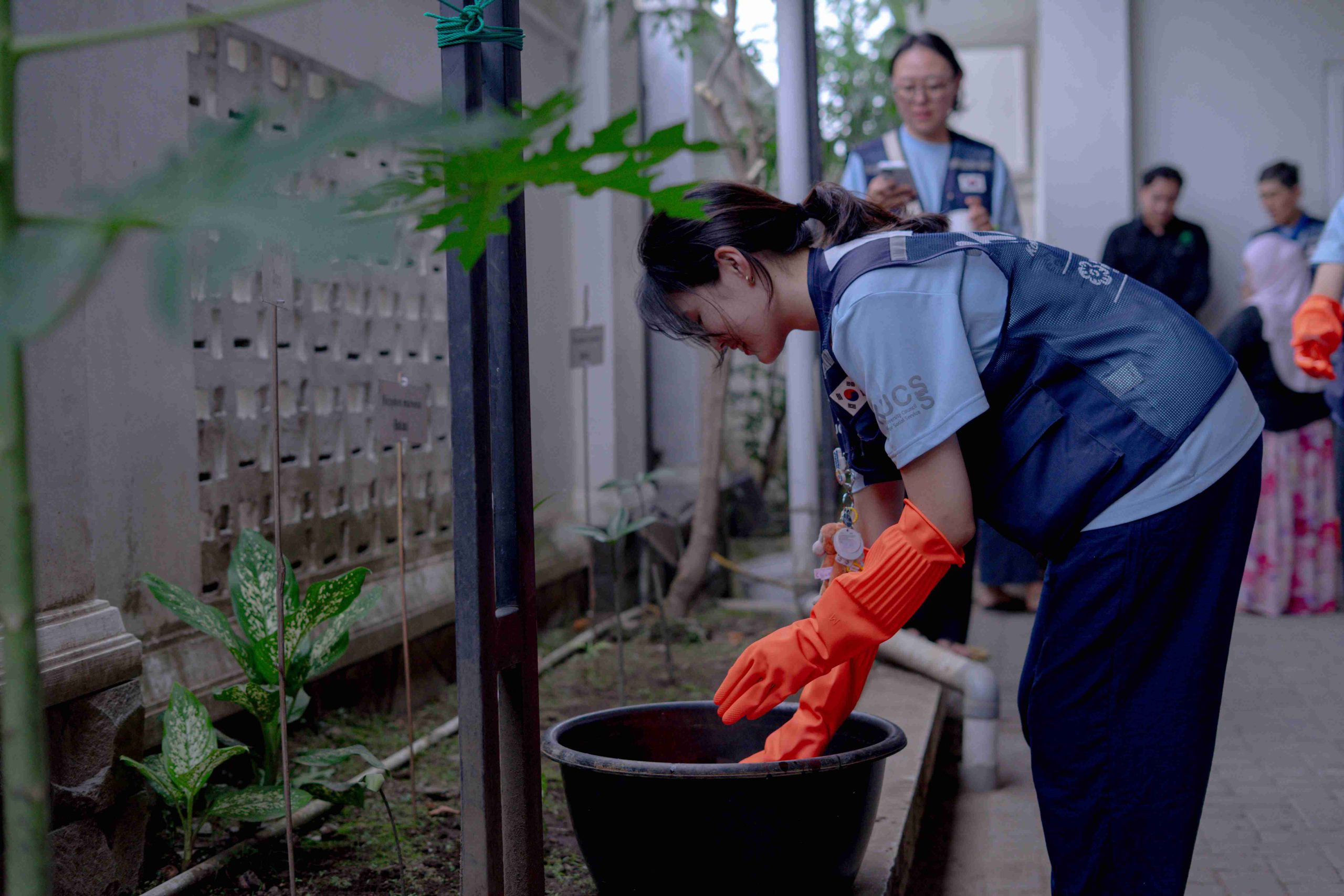
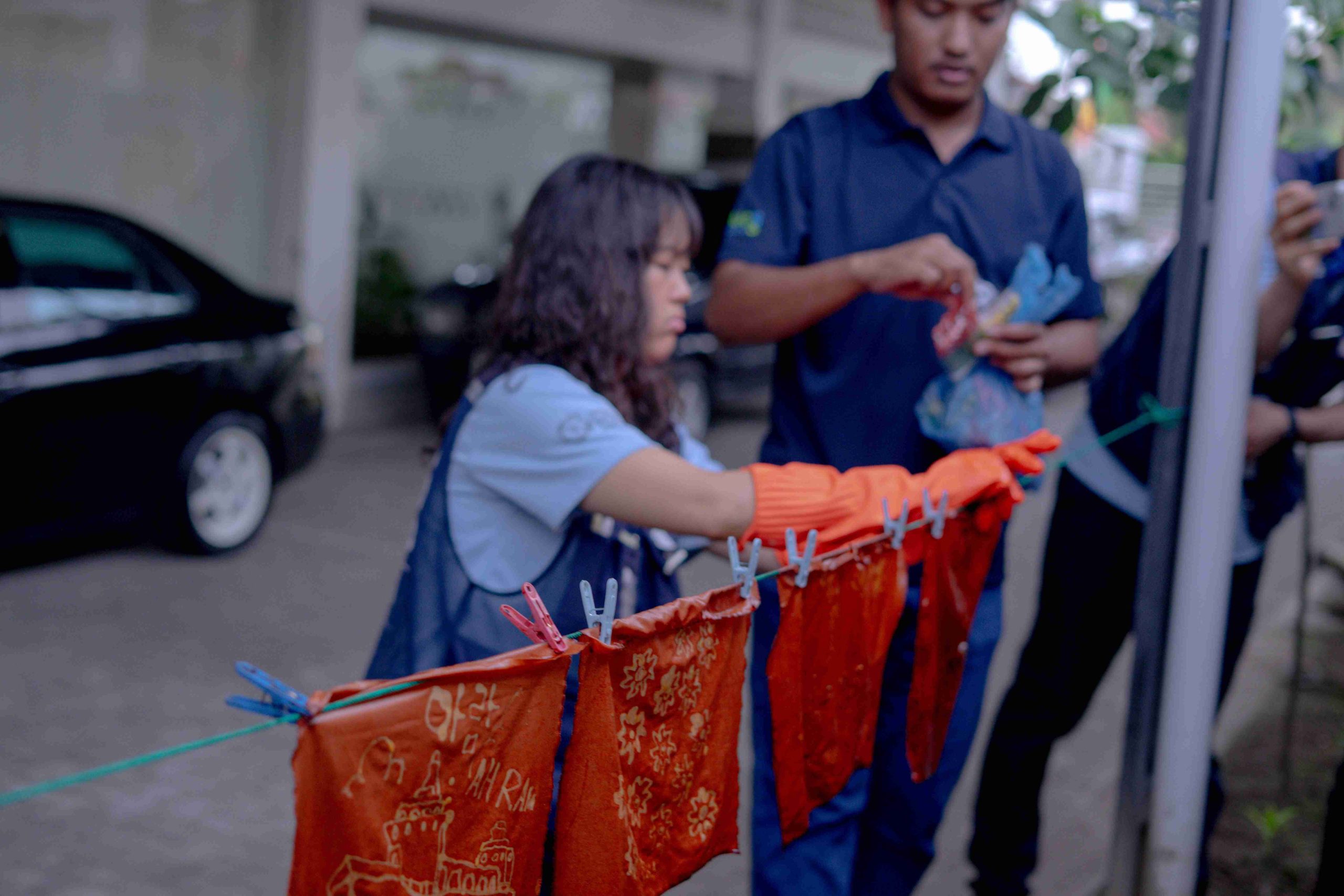
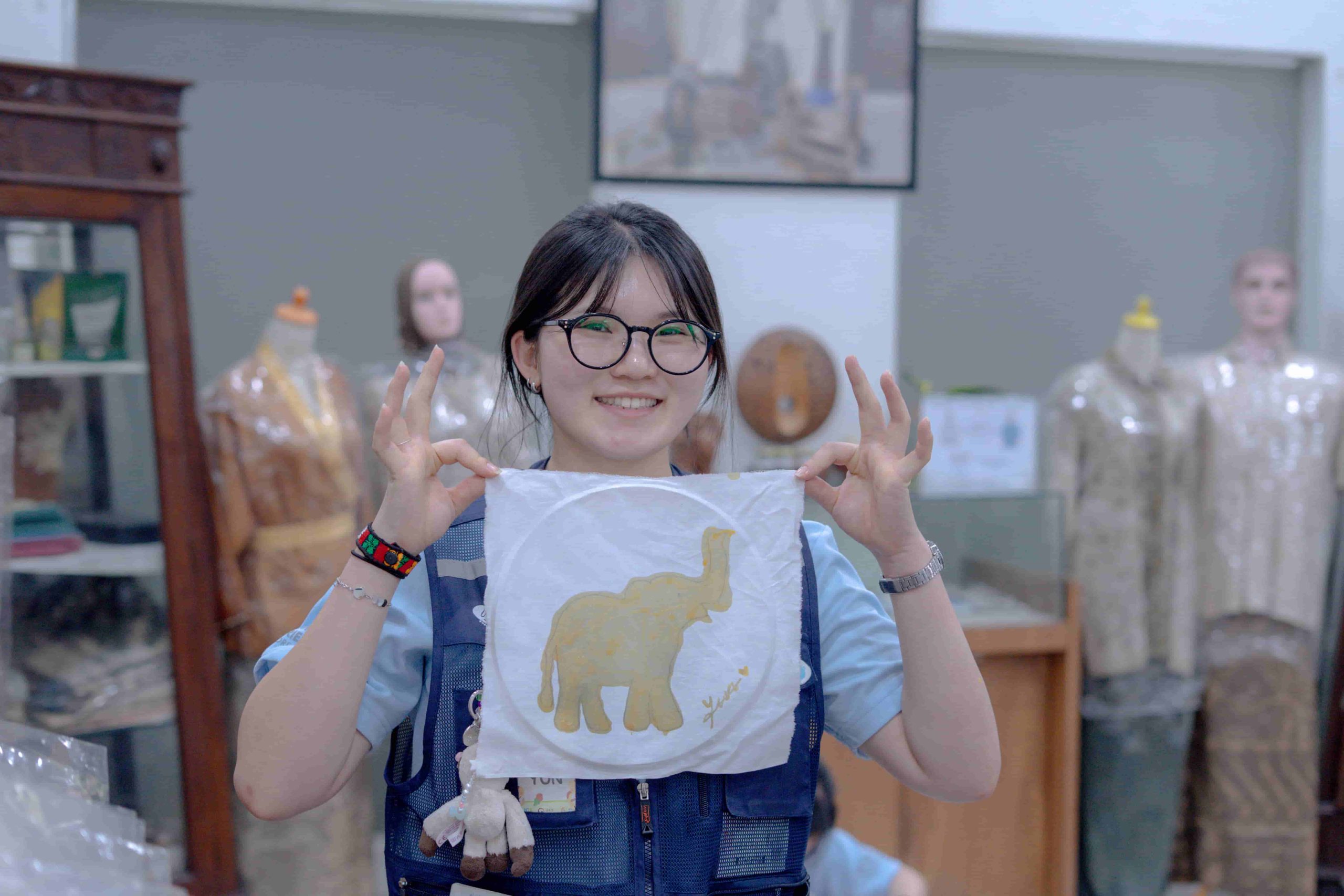
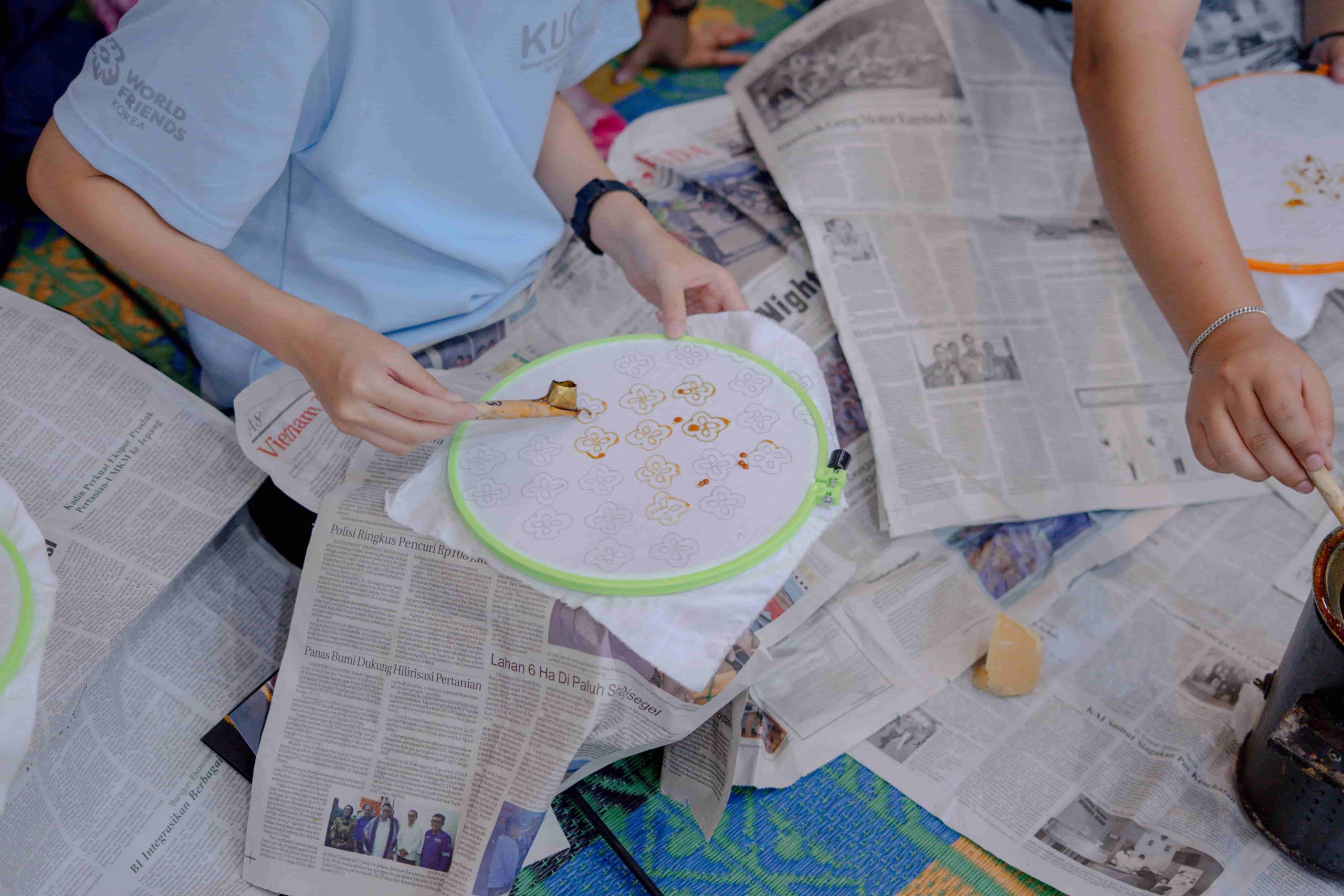
On the fifth day, all participants received material on calculating and monitoring carbon absorption with Remote Sensing and GIS. In this discussion, the Remote Sensing session instructor, Mukhammad Muryono, said, “Remote sensing is the process of detecting and monitoring the physical characteristics of an area by measuring radiation reflected and emitted from a distance (usually from satellites or airplanes)”. He also said, “An efficient methodology for carbon calculation is the use of remote sensing and GIS, in the form of a vegetation index (Normalized Difference Vegetation Index) or often called NDVI through processing on software such as ArcGIS and Google Earth Engine”. After the discussion, all participants also took the time to visit a batik house. At the batik house, participants practiced organic batik, YAGASU taught basic batik techniques, from making designs, applying wax, to the coloring and washing process that maintains the authenticity of the material. By using natural dyes, participants not only learn to make beautiful batik, but also gain knowledge on how to maintain a healthy ecosystem through the selection of materials and processes used.
On the last day, which is the sixth day, participants presented conservation project designs packaged into a coastal blue carbon project development plan. The instructor in this session was guided by Mr. Erwin who in his opportunity conveyed “The first thing to do when designing a blue carbon conservation project is to find out the main conclusions of the project, then determine the objectives, methodology, and funding plan, which are supported by basic information such as background, problems, targets, approaches, activity planning, timeline, funding strategy, stakeholders involved, impacts, and project monitoring and evaluation”. In addition to increasing capacity in implementing coastal blue carbon projects, Yagasu and GEI in October 2024 will also conduct training on the implementation of agroforestry as a form of increasing the resilience of watersheds (DAS) and terrestrial areas in reducing the impacts of climate change and sustainable livelihoods.